




Spend enough time on UK roads and you will probably spot a bright orange plate fixed to the front or back of a vehicle. Curious as to what they are? We’ll help explain what they mean, and why they matter for companies that move dangerous goods.
What are the Orange Plates on UK Vehicles?
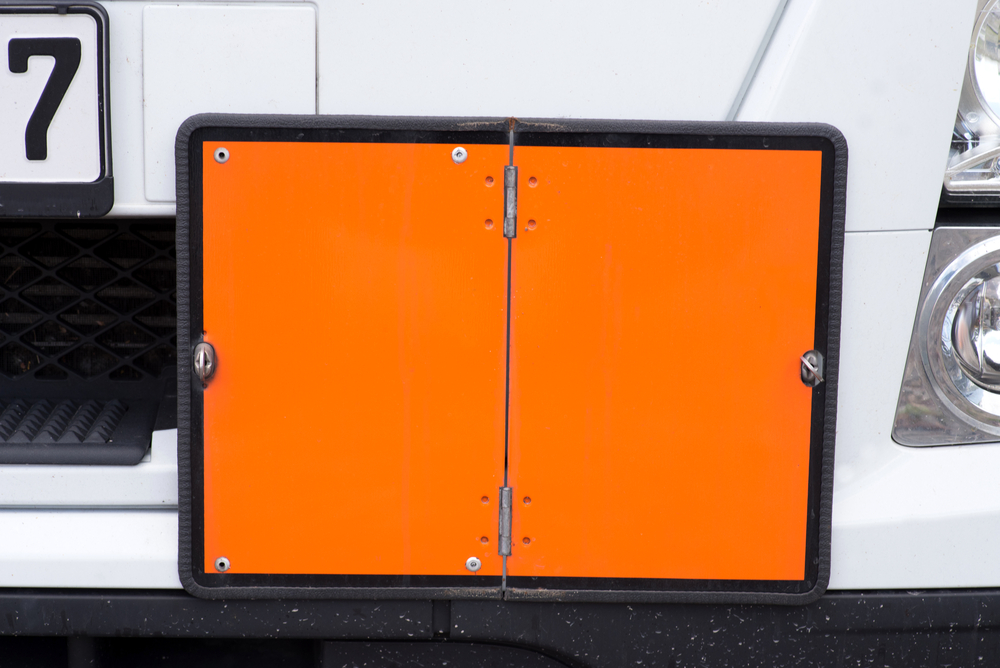
Orange ADR plates are warning panels used on vehicles carrying dangerous goods under ADR regulations.
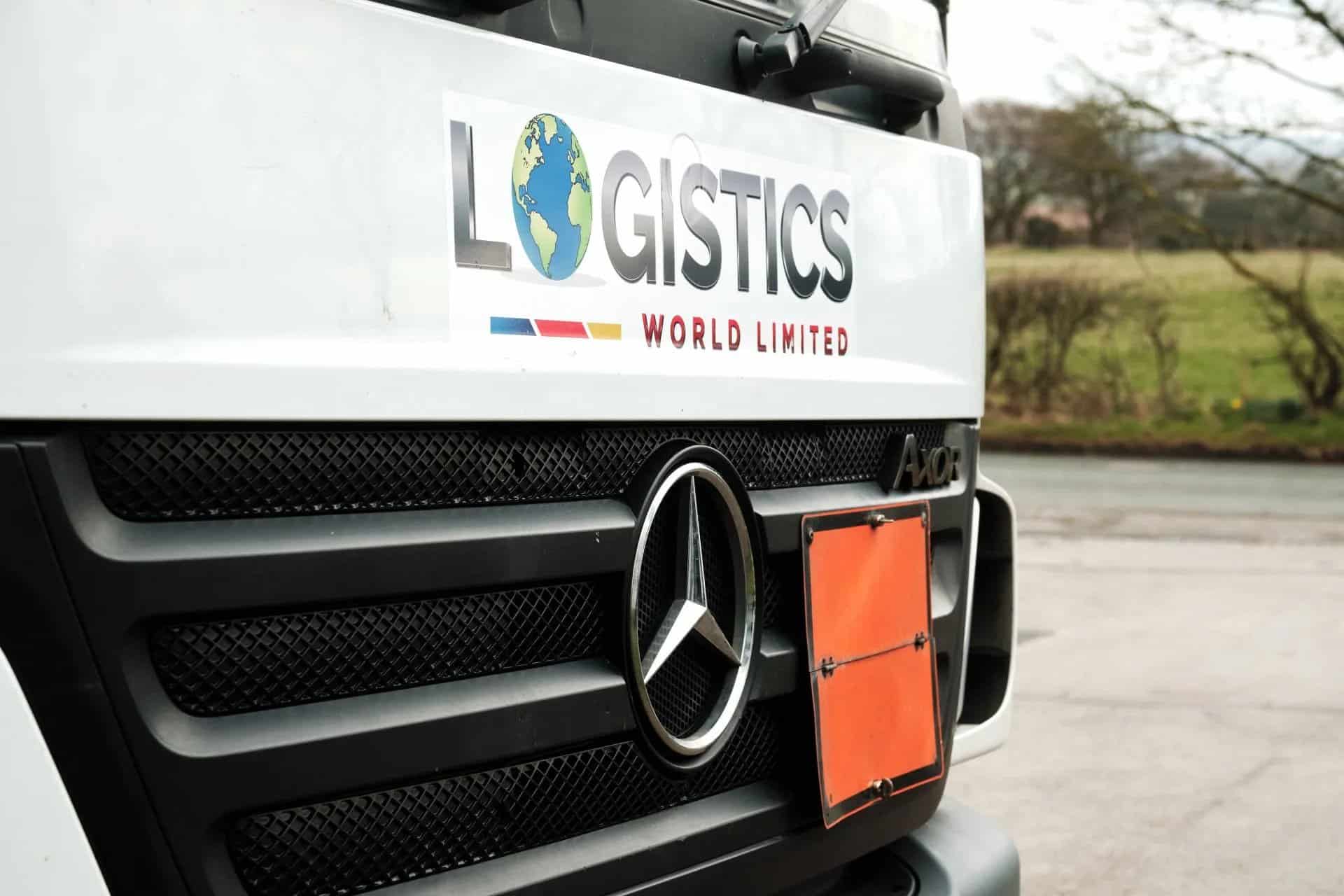
The orange plates are designed to make dangerous goods vehicles easy to identify. You will usually see them fixed to the front and rear of a lorry, tanker, or van.
Some plates are blank. Others include black numbers that provide more detailed information about the load being carried.
These plates help emergency services react quickly if there is an accident, fire, or leak. Instead of guessing what is inside the vehicle, responders can identify the type of material and the level of danger involved.
Why are ADR Plates Important?
ADR plates help to reduce transport risks by improving communication and safety on the road.
For example, if a tanker carrying petrol is involved in a collision, firefighters need to know exactly what they are dealing with before approaching the vehicle. The orange plates and associated hazard labels give them that information quickly.
If you would like to learn more about how dangerous goods are categorised, take a look at our guide to ‘What are the 9 Classes of Dangerous Goods in Transport?’
When Does a Vehicle Need Orange ADR Plates?
A vehicle usually needs orange ADR plates when it carries dangerous goods above certain limits. This can include:
- Fuel and petrol
- Chemicals
- Gas cylinders
- Paints and solvents
- Corrosive liquids
- Explosives
- Flammable products
- Toxic substances
The exact rules depend on the type of goods, how much is being carried, and how the materials are packaged.
Small amounts of dangerous goods may sometimes fall below ADR thresholds. This is often called a ‘limited quantity’ or ‘small load exemption’. Once those limits are exceeded, the vehicle must follow full ADR rules, including displaying orange plates.
Tankers almost always require ADR plates because they carry large quantities of hazardous liquids or gases.
Is it an Offence to Not Display One?
Yes. If a vehicle legally requires ADR plates and does not display them correctly, it can lead to serious consequences.
Drivers and operators may face:
- Fines
- Vehicle prohibitions
- Delays at roadside inspections
- Legal action
- Insurance issues
- Increased liability after accidents
The rules do not only apply to large haulage companies. Even smaller businesses transporting hazardous products in vans can fall under ADR regulations.
Incorrect use of ADR plates can also be a problem. Displaying plates when they are not needed may confuse emergency services and create unnecessary safety concerns.
This is why proper training and knowledge are so important when handling dangerous goods transport.
Blank vs Numbered ADR Plates: What’s the Difference?
Blank orange plates are often used on vehicles carrying packaged dangerous goods.
They show that hazardous materials are being transported, but they do not give specific information about the load itself.
You will commonly see blank plates on curtain-side lorries or vans carrying packaged chemicals, paints, aerosols, or cleaning products.
Numbered ADR Plates
Numbered plates are more detailed. They are commonly used on tankers and bulk transport vehicles.
The top number is called the Hazard Identification Number, sometimes known as the Kemler Code. This explains the type of danger linked to the load.
The bottom number is the UN Number. This identifies the actual substance being carried.
For example:
- 33 / 1203 relates to petrol
- 23 / 1965 relates to LPG
- 80 / 1824 relates to sodium hydroxide solution
This system helps emergency services quickly understand the risks involved during an incident.

Who is Responsible for ADR Compliance?
ADR compliance is not just the driver’s responsibility.
Anyone involved in the transport chain may have legal duties.
Vehicles must be properly marked. Drivers may need ADR training certificates. Dangerous goods paperwork must also be accurate and available during transport.
In some cases, businesses handling dangerous goods must appoint a Dangerous Goods Safety Adviser, also known as a DGSA.
Trying to manage all of this internally can become difficult, especially for companies that only transport hazardous goods occasionally.
Why Many Businesses Use Specialist ADR Transport Companies
Dangerous goods transport is heavily regulated for a reason. Safety matters.
Using a specialist logistics company can help businesses avoid unnecessary risks and compliance problems.
Experienced ADR transport providers already understand the rules around:
- Vehicle markings
- ADR documentation
- Driver qualifications
- Safe loading procedures
- Emergency response requirements
- Hazard classifications
This reduces pressure on your own team and lowers the risk of costly mistakes.

Need Help with ADR Transport?
At Logistics World, we provide specialist logistics and transport solutions for businesses moving hazardous and ADR-regulated goods across the UK and Europe.
Whether you need support with fuel transport, chemical deliveries, packaged dangerous goods, or time-critical ADR freight, our team can help you move goods safely and compliantly.
If you are unsure whether your load requires ADR plates or specialist transport, get in touch with our team today. We will help you understand the requirements and find the right transport solution for your business.