





Transporting goods across the UK and Europe keeps businesses moving. But not all cargo is simple to move. Some goods pose risks to people, property, or the environment. These goods are classed as dangerous goods, and they must travel according to strict rules. This is where ADR Transport comes in.
What Does ADR Stand For?
The ADR abbreviation stands for “Accord Dangereux Routier”, which is French for “European Agreement concerning the International Carriage of Dangerous Goods by Road.” Quite a mouthful, we know!
Put simply, ADR is a set of rules used across Europe to make sure dangerous goods move safely by road. Most countries across Europe follow ADR regulations, including the UK. This means any company moving hazardous goods must follow these rules to keep roads safe.
What Does ADR Stand for in Transport?
When we talk about ADR in transport, we mean the legal and safety system for moving hazardous goods by road. These rules tell us:
- Which goods are classed as dangerous
- How those goods must be packaged and labelled
- What training drivers must have
- What safety equipment vehicles need
- What documentation is required
What is an ADR Vehicle?
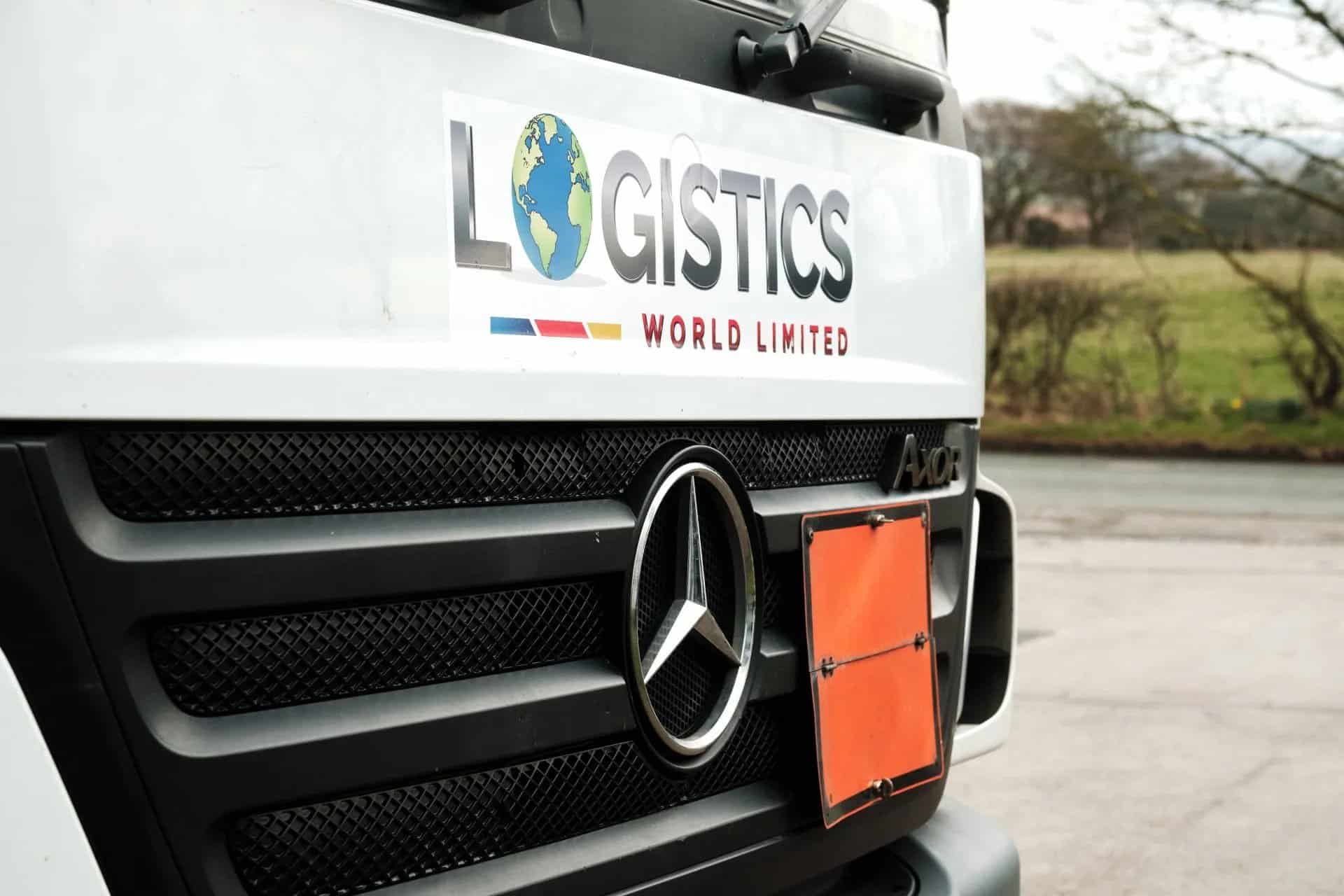
An ADR vehicle is a vehicle approved to carry dangerous goods. It is still a normal lorry, van or tanker in most ways, but it carries specific safety equipment and has extra safety checks before it goes on the road.
ADR Vehicle Requirements
ADR vehicles must carry:
- Fire extinguishers
- Wheel chocks
- Warning triangles
- Emergency escape mask (class dependent)
- Hi-vis clothing
- Gloves
- Eye protection
- Spill kits
- First aid kit
Vehicles also often display bright orange plates so authorities can see they are carrying hazardous loads.
ADR Classes: Understanding Dangerous Goods
ADR sorts dangerous goods into nine classes based on the type of hazard they pose.
These are:
- Class 1: Explosives (fireworks, flares)
- Class 2: Gases (propane, butane)
- Class 3: Flammable liquids (petrol, acetone)
- Class 4: Flammable solids (matches, metal powders)
- Class 5: Oxidising substances (oxygen, hydrogen peroxide)
- Class 6: Toxic and infectious substances (pesticides, medical waste)
- Class 7: Radioactive materials (medical isotopes)
- Class 8: Corrosive substances (acids and alkalis)
- Class 9: Miscellaneous dangerous goods (lithium batteries, dry ice)
Who Needs ADR Transport?
Many businesses rely on ADR transport. Some use it daily, others only once in a while. ADR is common in industries such as oil and fuel supply, industrial cleaning, manufacturing, agriculture, chemical production and pharmaceuticals. Even companies that do not think of themselves as dangerous goods suppliers may still need ADR if they ship items that contain hazardous materials.
If your business handles anything that could burn, explode, corrode or leak toxic fumes, ADR may apply to you. It is always better to check than to guess when it comes to hazardous transport.
ADR Packaging and Labelling
Dangerous goods must be packaged correctly. They cannot go into any old box or drum. ADR packaging is tested to protect the goods inside and prevent leaks during transport. It is also marked with clear symbols so anyone handling it knows what it contains.
Every package must be labelled with the correct hazard signs and UN numbers. These labels explain what kind of danger the goods present. For example, a red diamond means the goods are flammable. A skull and crossbones means toxic. These warnings are not just for show – they save lives.
Correct labelling also speeds up checks at borders and transport hubs. Without proper labels, goods can be rejected or delayed.

Can Anyone Transport ADR Deliveries?
Not every driver can transport dangerous goods. To drive an ADR vehicle, a driver must pass ADR training and hold an ADR Certificate. This proves that they understand the risks of transporting dangerous goods and know how to react if something goes wrong.
During ADR training, drivers learn how to load and unload hazardous goods correctly, how to read ADR labels and hazard codes, what protective equipment to use, and how to handle emergencies such as fires or spills. This training gives drivers both knowledge and confidence. It also protects the businesses that employ them, as it shows they meet legal requirements.
The ADR certificate lasts for five years. After that, drivers must take further training to renew it.
Hazardous Goods Documentation
Hazardous goods transport involves careful planning and paperwork. Every ADR shipment must include documents such as safety instructions for the driver, details about the goods being carried, health and safety sheets from the manufacturer, and written information about what to do if an accident happens. These documents must stay in the vehicle during the journey.
This paperwork helps authorities and emergency services understand the risks if an incident occurs. If police or transport officers check the vehicle, they will expect to see the correct ADR paperwork. Missing or inaccurate documentation can lead to delays, fines or stopped deliveries.
Need ADR Transport Services?
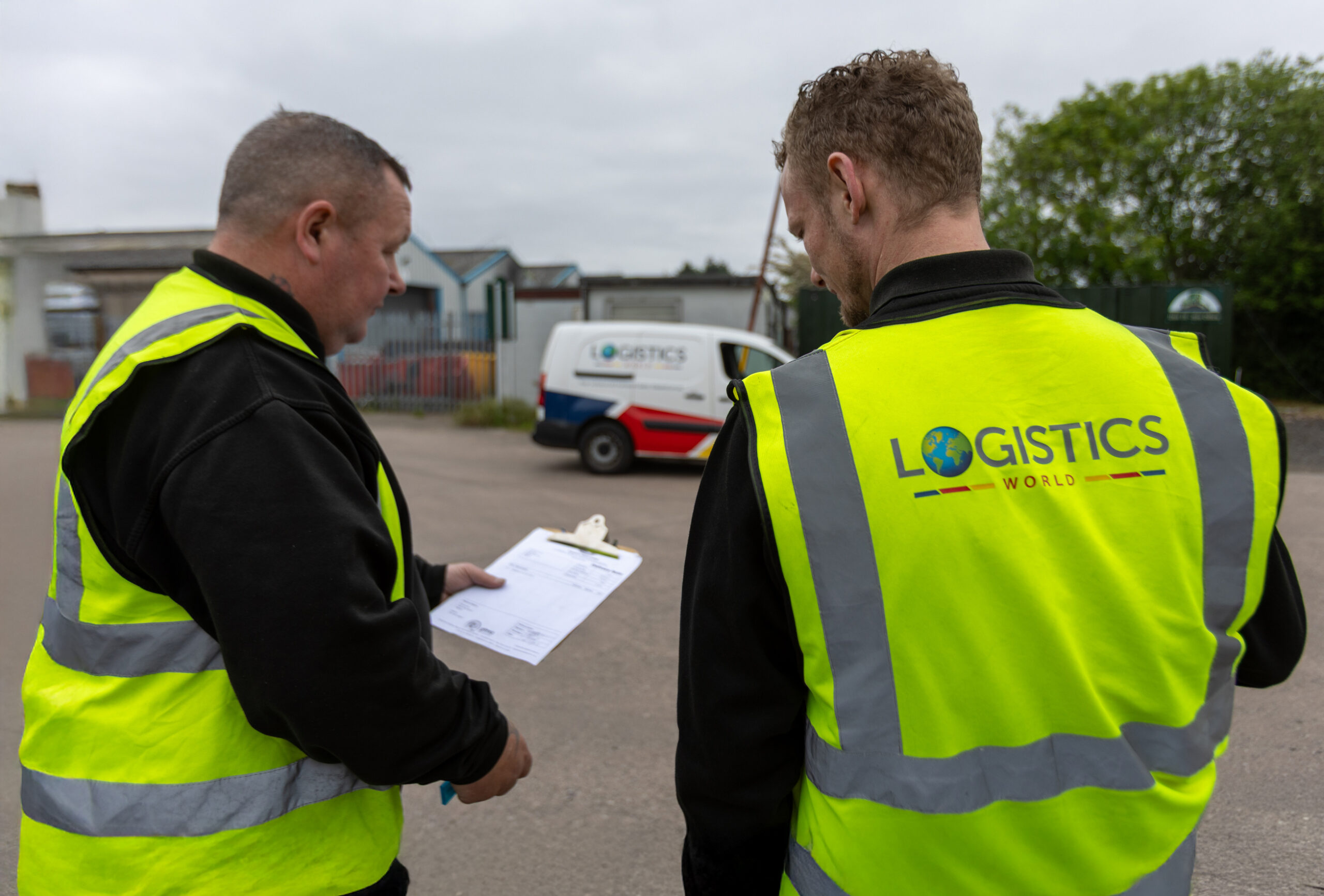
If you need help moving hazardous goods, Logistics World is here to help. We specialise in logistics and transport solutions and offer safe, reliable ADR services across the UK and Europe. Whether you have one load or regular shipments, our team is ready to support you.
✓ UK and European ADR coverage
✓ Same day ADR deliveries available
✓ Fully certified ADR drivers
✓ Secure fleet with ADR equipment
✓ Fast support and reliable service
Simply contact Logistics World today for a free quote and expert advice.