





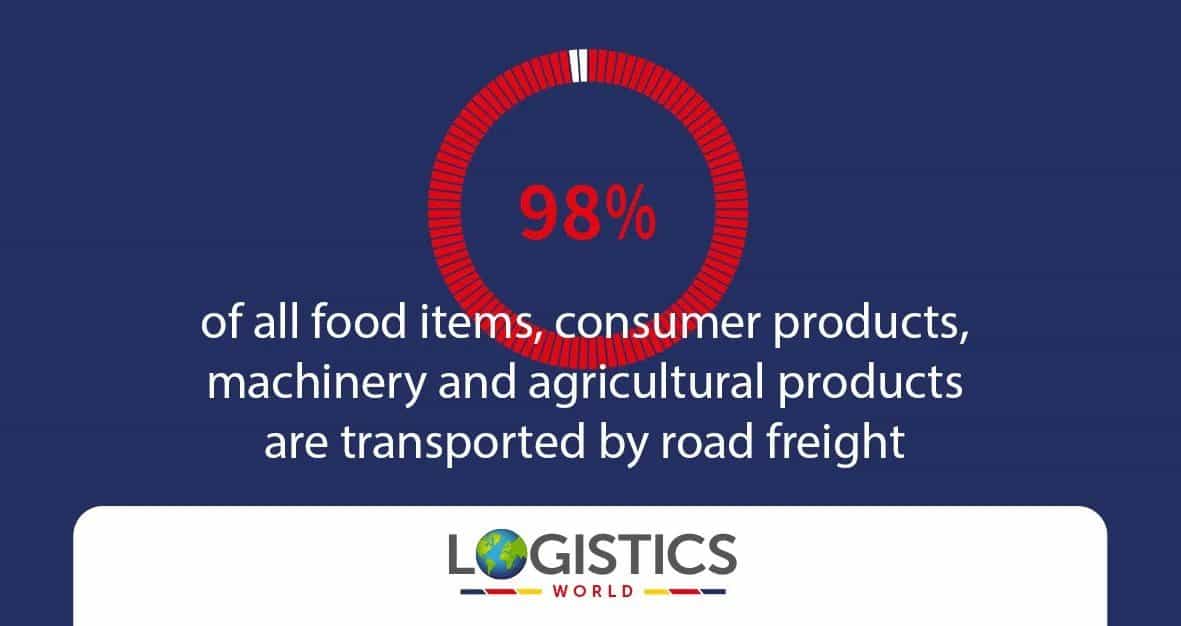
With 98% of all food items, consumer products, machinery and agricultural products being transported by road freight, the UK economy is dependant on having an efficient transport sector, with an effective road infrastructure to complement it!

Did you know that the fifth largest employer in the UK is in transport and logistics, with over 2.5 million people working in this sector. Put into context, that’s double the population of Cyprus, or one in every 13 people who are eligible to work in the UK be employed in this field.
It’s hardly surprising given that everything we eat, drink and wear depends on road haulage, as do the properties we live in. 98% of all food items, consumer products, machinery and agricultural products are transported by road freight. Ultimately, the UK economy is dependant on having an efficient transport sector, with an effective road infrastructure to complement it.
First used in the 17th century, it is believed that the word lorry comes from the verb ‘lurry’, which meant to lug or drag along. However the means of transport in the 17th century, it’s a far cry from the latest Logistics World Euro 6 lorries which are not only compliant with the Direct Vision Standard (DVS), which was first introduced last March, but meet with the ultra low emission and clean air zones too.
The first know usage of the word ‘lorry’ itself dates back to 1838 and referenced a luggage truck on a train. Roll on nearly 100 years, and the earliest known reference to a ‘lorry driver’ was back in 1926.
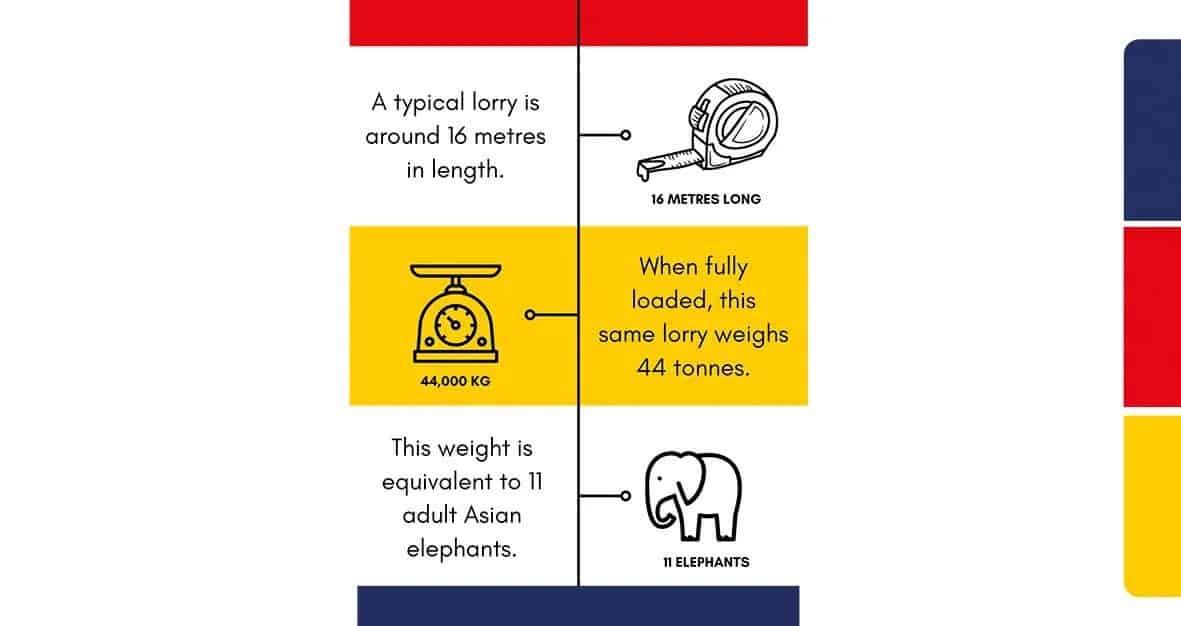
Whilst we’re on the subject of the lorries themselves, a typical lorry is around 16 meters long, with an average weight when fully loaded of around 44,000kg, equivalent to the collective weight of 11 adult Asian elephants. Surprisingly, this same 44 tonne lorry travelling at 56mph only takes around 20 metres more to stop than an average car weighing just 1,500kg.
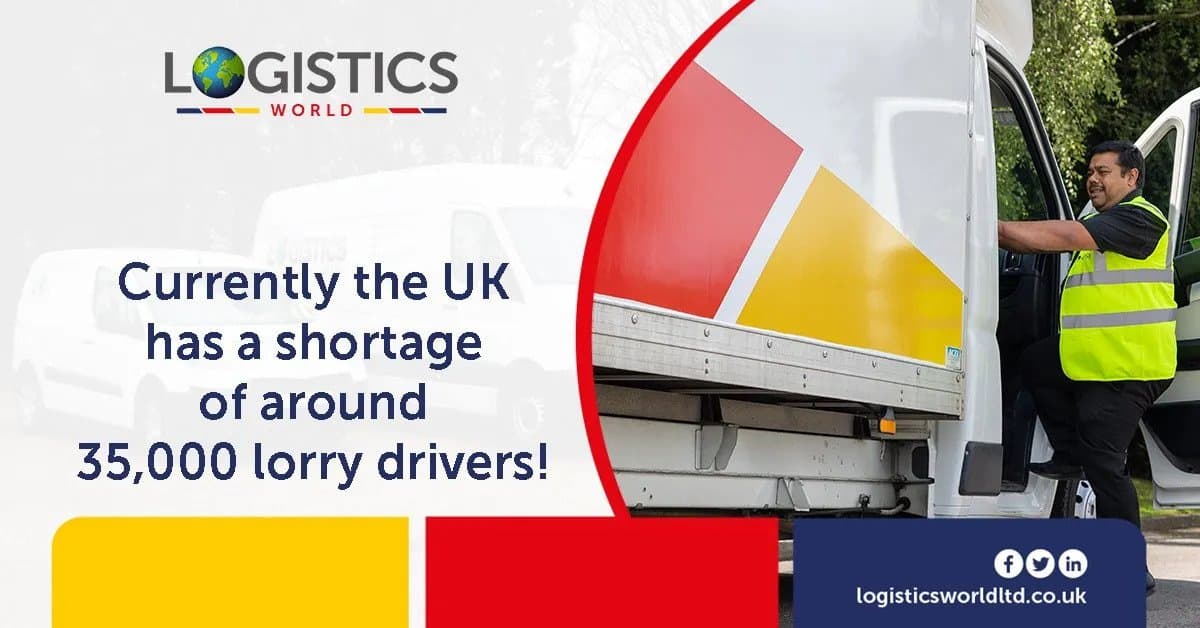
Currently the 8th fastest growing industry in the UK, there are currently 600,000 goods vehicle driving licence holders, and nearly 500,000 commercial vehicles over 3.5 tonnes registered in the UK, and even though there are 5.7 million truck drivers worldwide, there is still a shortage of around 35,000 UK drivers! With each 44,000kg lorry contributing £60,000 a year in fuel duty and VAT, it’s hardly surprising to learn that the transport and storage sector contributes around a whopping £152 billion to the UK economy, so be sure to spare a thought next time you’re following a slower moving vehicle!
At Logistics World we take our carbon footprint very seriously, and aim to keep our fleet as ‘green’ as it possibly can be. One truck that was registered in 1993 emits the same NOx (nitrogen oxides) as 36 Euro 6 lorries.

It might not be a vocation for everyone, but did you know that there are many different levels of transport and logistics apprenticeships available including an ‘Intermediate level’, which is equivalent to GCSEs, an ‘Advanced level’ which is equivalent to A Levels, and a ‘Higher’ qualification which is equivalent to a foundation degree.

It was certainly a vocation for Tim Wilson, our own MD. Having just celebrated yet another successful year in the world of logistics, he has amassed a whopping 162,240 working hours in the transport sector, and whilst some of this time has been office based, a good proportion of it was spent on the road covering numerous miles.

Here in the UK, our road network collectively measures 247, 827 miles, which is the equivalent of going ten times round the world, and with the average HGV driver travelling around 125,000 miles each year, it would be fair to say Tim has been ‘around the world’ many times already!
So, if you fancy seeing the world whilst in the driving seat, or are looking to find an alternative transport provider who is dependable, reliable and really does go the extra mile, be sure to get in touch!
Your outsourced transport team. Depend on us.